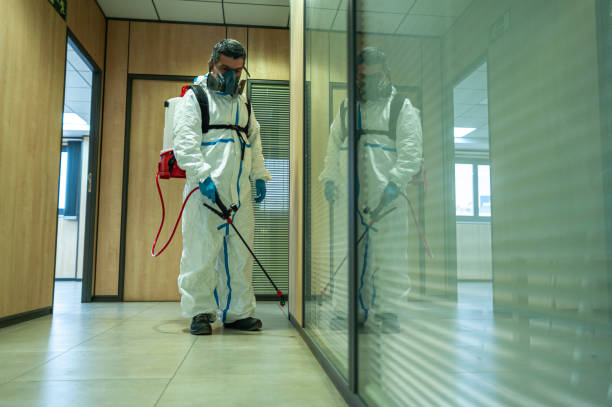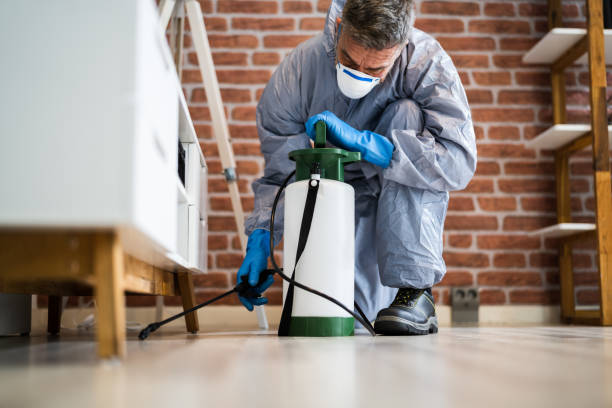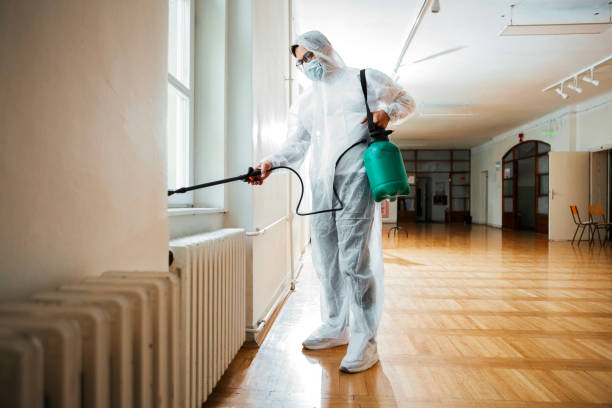
Elevate Your Approach with Stuart Pest Control and Move Beyond Traditional Word-of-Mouth Methods

Worker with insecticide sprayer near green bush outdoors. Pest control Worker with insecticide sprayer near green bush outdoors. Pest control pest control stock pictures, royalty-free photos & images

Traditional word-of-mouth marketing has long been an effective way for pest control businesses to gain new customers. However, in today’s fast-paced digital era, relying solely on this method can limit the growth and visibility of your business. To stay competitive and attract a broader audience, it’s essential to explore modern strategies that go beyond traditional approaches. Below are actionable insights and techniques to transform your pest control marketing strategies.

How to Choose the Best Stuart FL Pest Control Company

  • Slower Growth: Depending on personal recommendations can slow down how quickly you gain customers.
  • Limited Reach: Word-of-mouth primarily impacts local or close-knit communities, leaving untapped potential beyond those networks.
  • Lack of Measurable Results: Tracking the success of verbal recommendations is difficult compared to digital marketing metrics.

Adapting to innovative marketing solutions allows you not only to expand your outreach but also to build a stronger brand presence that resonates with tech-savvy consumers.

Effective Techniques for Pest Removal Stuart FL Residents Trust

1. Build an Optimized Website

A well-designed website acts as the foundation of your online presence.

Ensure it includes:

– Clear descriptions of services (e.g., termite removal, rodent control)

– High-quality images and videos showcasing your work

– A simple contact form or live chat for inquiries

– Mobile-friendly design for users browsing on smartphones

2. Leverage Search Engine Optimization (SEO)

With most customers searching online before hiring a service provider, ranking high on search engine results pages (SERPs) is crucial. Focus on:

– Using pest-control-specific keywords like “ant extermination near me”

– Creating location-specific content for better local SEO

– Adding blogs addressing FAQs such as “How do I prevent bed bugs?”

3. Embrace Social Media Marketing

Platforms like Facebook, Instagram, and LinkedIn can serve as powerful tools for reaching potential customers.

Effective social media strategies include:

– Sharing before-and-after visuals of pest removal projects

– Posting seasonal tips for preventing infestations

– Running targeted ads aimed at homeowners or businesses in need

4. Invest in Pay-per-click (PPC) Advertising

PPC campaigns allow you to target specific demographics actively searching for pest control services. Benefits include: | Feature | Benefit | |—————–|——————————————–| | Quick Results | Immediate visibility at the top of SERPs | | Custom Budgets | Adjustable spending based on ROI | | High Targeting | Tailored ads based on location or behavior |

5. Online Reviews Management

Encourage satisfied customers to leave positive reviews on platforms like Google My Business or Yelp. When prospective clients see glowing testimonials about your services, it builds trust and credibility.

The Importance of Data Analytics

Transforming your marketing strategy also involves understanding what works—and what doesn’t—through data analytics tools like Google Analytics or CRM systems:

– Monitor which pages receive the most traffic.

– Track customer inquiries generated from different campaigns.

– Adjust future strategies based on performance metrics.

Benefits of Moving Beyond Traditional Methods

Adopting modern marketing approaches provides several key advantages:

1. Broader Reach: Connect with both local and non-local audiences through digital platforms.

2. Cost Efficiency: Digital advertising often provides better returns compared to offline methods.

3. Enhanced Credibility: A professional-looking website and active social media profiles instill confidence in potential customers.

By integrating these tactics into your overall marketing plan, you’ll move beyond the limited scope of word-of-mouth recommendations while positioning your business as a trusted leader in pest control services within a competitive market landscape.

Understanding the Digital Age Challenges in Pest Control Marketing

The pest control industry, like many others, is undergoing rapid transformation in the digital age. Traditional marketing methods such as word-of-mouth referrals and print advertisements are no longer sufficient to stay competitive. To thrive in today’s environment, pest control businesses must adapt to new challenges brought by digital marketing and consumer behavior shifts.

Increased Online Competition

  • Search Engine Rankings: Competing for a place on the first page of Google requires consistent effort in SEO (Search Engine Optimization) and content creation.
  • Paid Advertising Costs: The cost-per-click (CPC) for popular pest control-related keywords can be significant, making it essential to optimize ad spend.
  • Local Competition: Since pest control is often a local service, businesses must also compete within smaller geographic areas using localized strategies.

Changing Consumer Behavior

  1. Increased Reliance on Online Reviews
    Customers often consult online reviews before selecting a service provider. A lack of positive reviews or any negative feedback can heavily impact a company’s reputation.
  2. Preference for Convenience
    Potential customers expect ease of access when searching for services online. This includes mobile-friendly websites, easy contact forms, and quick response times.
  3. Demand for Informative Content
    Consumers want answers to their questions even before they contact a business. Providing educational resources such as blogs or FAQs can help establish trust.

Adapting Marketing Strategies

  • Invest in Local SEO:
    Focus on optimizing your Google My Business profile and including local keywords in your website content.
  • Encourage Customer Reviews:
    Politely ask satisfied customers to leave reviews on platforms like Google or Yelp.
  • Create Educational Content:
    Share articles, infographics, or videos about common pests in your area and how professional solutions differ from DIY options.
  • Leverage Social Media:
    Engage with your audience through posts that highlight successful treatments or provide seasonal pest prevention tips.

Table: Comparing Traditional vs Digital Marketing Efforts

Aspect Traditional Marketing Digital Marketing
Cost Print ads & flyers Variable (PPC campaigns)
Audience Reach Limited Wide & targeted
Tracking & Analytics Minimal Detailed insights available
Customer Interaction Indirect Direct via comments/messages

Staying Ahead of Trends

Finally, staying informed about emerging trends is critical for long-term success. Some areas worth exploring include voice search optimization (to target smart assistant users), geofencing technology (for hyper-local advertising), and integrating chatbot tools on websites to improve customer engagement.

Shifting from traditional approaches to embracing digital marketing can seem daunting at first but is crucial for sustainable growth in today’s market landscape.

How an Exterminator Stuart FL Can Benefit from a Professional Marketing Agency

As the pest control industry becomes increasingly competitive, more businesses are recognizing the importance of professional marketing agencies. A strong marketing strategy can significantly impact customer acquisition and retention, especially when developed by experts who understand market trends and consumer behavior. Here’s an in-depth look at why partnering with a professional marketing agency is a game-changer for pest control businesses.

Expertise in Digital Marketing Strategies

  • Search Engine Optimization (SEO): Ensuring your website ranks high in search engine results for keywords like “pest control services near me” or “termite extermination.”
  • Pay-Per-Click Advertising (PPC): Targeting potential customers through paid ads on platforms such as Google Ads and Bing.
  • Social Media Management: Building brand awareness on platforms like Facebook, Instagram, or LinkedIn by engaging with your audience.
  • Content Marketing: Crafting blogs, articles, and educational resources that position your business as an industry authority.

These methods help your business reach potential customers across various digital channels effectively.

Cost-Efficiency and Time Savings

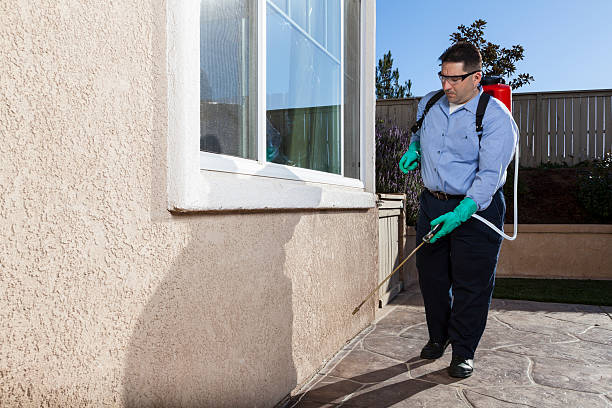
Pest Control Services Portrait Of Male Worker Spraying Insecticide With Sprayer At Home pest control stock pictures, royalty-free photos & images

  • Agencies offer ready-made expertise without the need for hiring additional in-house staff.
  • They have access to advanced tools for analytics, keyword tracking, and ad optimization.

This approach often proves more cost-efficient than managing campaigns without experience or relying solely on trial-and-error methods.

Data Analytics to Inform Decisions

Metric What It Tracks Importance
Website Traffic Number of visitors accessing your site Measures brand visibility
Conversion Rate Percentage of users taking action (e.g., booking) Evaluates effectiveness of CTAs
Customer Retention Rate How many clients return for repeat service Reflects reputation and service satisfaction

These metrics allow you to adapt strategies based on performance and market trends.

Tailored Solutions for Local SEO

  • Google My Business Listings: Ensuring accurate information about operating hours, location, and services offered.
  • Customer Reviews Management: Encouraging satisfied clients to leave positive feedback while addressing complaints professionally.
  • Geo-Specific Keywords: Incorporating relevant terms like “ant exterminator in [your city]” into site content.

This approach ensures you remain visible to customers searching within your service area.

Brand Development and Trust Building

  1. Designing professional logos or updating existing ones.
  2. Creating consistent messaging across all channels.
  3. Highlighting certifications or licenses that enhance trustworthiness (e.g., state licensing details).

Over time, these efforts not only build trust but also differentiate your business from competitors who may lack cohesive branding strategies.

Access to Industry Insights

A good agency stays ahead of emerging trends within both the pest control sector and broader marketing practices. Their knowledge enables them to recommend innovative tactics like voice search optimization or video-based advertising campaigns tailored specifically for capturing local leads.

By partnering with a professional marketing agency, pest control businesses gain access to tools, strategies, and expertise they might otherwise find challenging or time-consuming to master independently. It’s an investment that not only drives growth but also allows business owners to focus entirely on delivering excellent customer experiences while leaving their promotional needs in capable hands.

Recognizing the Value a Professional Marketing Agency Brings to Pest Control Businesses

As the pest control industry evolves, staying ahead of competitors requires more than just effective pest management solutions. Marketing plays a pivotal role in ensuring your business is not only visible but also trusted by potential clients. A professional marketing agency can transform your pest control business by bringing expertise and innovative strategies tailored to the industry’s unique demands. Below, we delve into why partnering with a marketing agency can be a game-changer for your pest control business.

Access to Specialized Expertise

  • Search Engine Optimization (SEO): Agencies know how to optimize websites with industry-specific keywords, helping you rank higher on search engines.
  • Pay-Per-Click Advertising (PPC): Expertly managed campaigns attract local customers actively searching for pest control services.
  • Social Media Management: Effective use of platforms like Facebook and Instagram boosts visibility and engagement with potential clients.
  • Content Marketing: Creating valuable content such as blogs, videos, or infographics helps establish authority in the industry while driving organic traffic.

Time and Resource Efficiency

  1. You save time that can be redirected toward operational tasks like customer service or employee training.
  2. Resources are utilized efficiently since agencies already have tools and systems in place.
  3. Campaigns are managed seamlessly without requiring additional internal staffing or expensive software investments.

Data-Driven Insights

Metric Why It Matters
Website Traffic Monitors brand visibility online
Conversion Rates Tracks how many leads turn into clients
Cost Per Lead (CPL) Evaluates cost-effectiveness of campaigns
Customer Retention Rates Measures loyalty among existing customers

These insights help refine strategies continuously for better results.

Enhanced Brand Presence

  • A strong visual identity through logos, graphics, and design.
  • Engaging messaging that resonates with target audiences.
  • Consistent branding across all channels – from websites to social media ads.

By building trust and credibility through focused branding efforts, your business becomes the go-to solution for prospective customers.

Cost Savings Over Time

  • Avoid costly mistakes made by inexperienced marketers.
  • Generate higher-quality leads that convert more easily into paying customers.
  • Benefit from economies of scale – agencies often negotiate better rates on advertising platforms due to their relationships with vendors.

Conclusion: Why Marketing Agencies Matter for Pest Control Businesses

A professional marketing agency blends expertise, creativity, data-driven strategies, and resource management to deliver exceptional results tailored specifically for pest control businesses. Their value extends far beyond simple advertising; they become partners in driving growth while allowing you to focus on providing excellent service to your clients. Embracing this partnership could be the strategic step your pest control business needs today for success tomorrow.

How to Leverage Natural Keyword Ranking and Organic Traffic for Pest Control Success

In today’s competitive digital landscape, leveraging natural keyword ranking and organic traffic is essential for pest control businesses aiming to grow their customer base. A strong online presence can help generate high-quality leads while reducing reliance on paid advertising. Below are actionable strategies and insights to make the most of organic search and keyword optimization.

Understanding Natural Keyword Ranking

Natural keyword ranking refers to how well your website appears in search engine results pages (SERPs) based on relevant, targeted keywords without relying on paid advertisements. This depends largely on the quality of your content, website structure, user experience, and backlinks. For pest control businesses, this means targeting terms potential customers are searching for, such as “residential pest control services,” “termite exterminators near me,” or “how to prevent rodents in my home.”

  • Keyword Relevance: Are you targeting phrases that match the search intent of potential clients?
  • Content Quality: Is your website providing valuable solutions to customer problems?
  • On-Page SEO: Are you optimizing meta titles, descriptions, header tags, and image alt text for target keywords?
  • User Experience (UX): Is your site mobile-friendly with fast loading times?
  • Backlink Profile: Do you have links from authoritative websites in your industry?

Tips for Increasing Organic Traffic

  1. Answer commonly asked questions like:
    • How do I identify termite damage?
    • When should I call a professional exterminator?
    • What are the best ways to prevent bed bugs?
  2. Create blog posts or guides addressing these topics with actionable advice.
  3. Target Local Keywords Local SEO is critical for service-based industries like pest control since customers typically search for nearby providers. Examples include:
  4. “Pest control services in [City]”
  5. “Rodent removal near [Neighborhood]” Use tools like Google Keyword Planner or SEMrush to identify location-based keywords with high search volume but moderate competition.
  6. Optimize Google Business Profile Your Google Business Profile is an essential tool for driving local traffic. Ensure it is updated with:
  7. Accurate business name and contact information
  8. Professional descriptions of your services
  9. Positive customer reviews
    Relevant categories such as “pest control service” should also be selected.
  10. Leverage Long-Tail Keywords Focus on long-tail keywords that reflect specific customer needs or situations:
  11. “Affordable ant extermination services”
  12. “How to safely remove wasps from my yard”
    These phrases often have lower competition levels compared to shorter keywords.
  13. Create Evergreen Content Produce content that remains relevant over time such as:
  14. “Seasonal Pest Prevention Tips”
  15. “Understanding Common Household Pests”
    Regularly updating this evergreen material can maintain its ranking power.

Tracking Results and Adjusting Strategies

Metric Purpose Example Insights
Organic Traffic Volume Measures total non-paid visitors Increase in visits after blog updates
Bounce Rate Tracks visitor engagement High bounce rates may indicate poor content relevance
Keyword Rankings Identifies top-performing terms Are target local keywords improving position?

Adjust strategies based on these insights by refining poorly performing pages or doubling down on successful tactics.

By focusing consistently on natural keyword optimization and building organic traffic streams, pest control businesses can attract qualified leads without overspending on ads. Adopting these methods will not only enhance visibility but also establish long-term credibility among customers in need of trusted pest management solutions.


Effective Solutions from Stuart Pest Control to Prevent Recurring Pest Issues

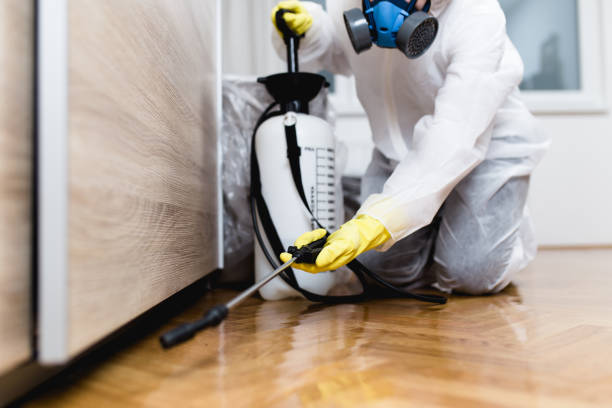
House pest control Professional exterminator in protective workwear spraying pesticide in apartment kitchen. pest control stock pictures, royalty-free photos & images

Recurring pest infestations can disrupt your daily life, damage property, and even pose health risks. Addressing these issues effectively requires a combination of preventative measures, active treatments, and long-term solutions to ensure pests don’t return. Below is a guide on common recurring pest problems and strategies to deal with them efficiently.

Common Recurring Pest Issues

  1. Ants often find their way into homes in search of food and water sources.
  2. Certain species, like carpenter ants, can cause structural damage as they burrow into wood.
  3. Mice and rats are notorious for chewing through walls, insulation, and wiring, potentially creating fire hazards.
  4. They also carry diseases that can contaminate food or surfaces in your home.
  5. Roaches thrive in dark, damp environments and multiply rapidly if left unchecked.
  6. Cockroach droppings can exacerbate allergies and lead to respiratory issues for some individuals.
  7. Termites are silent destroyers that primarily feed on wood but may also damage paper products and insulation.
  8. They often go undetected until significant damage is done.
  9. These resilient pests hide in mattresses, furniture crevices, or clothing and feed on human blood at night.
  10. Bed bugs are notoriously difficult to eliminate without professional intervention.

Preventative Measures to Keep Pests from Coming Back

  • Seal Entry Points: Inspect doors, windows, walls, vents, pipes, and utility lines for cracks or gaps where pests could enter. Use caulk or weather stripping to block entry points effectively.
  • Regularly clean kitchen counters, floors, sinks, and dining areas to remove food debris.
  • Store food items in airtight containers and avoid leaving pet food out overnight.
  • Fix leaking faucets or pipes immediately since moisture attracts many pests like cockroaches and termites.
  • Use a dehumidifier in basements or other damp areas of your home.
  • Proper Waste Management:
    Dispose of garbage regularly using sealed bins with tight-fitting lids to prevent attracting scavenging pests like rodents.
  • Landscape Maintenance:
    Ensure shrubs and tree branches are trimmed away from the exterior of your home so they don’t serve as bridges for pests like ants or spiders.

Long-Term Strategies

Pest Type Recommended Actions Frequency
Ants Use baits near trails; clean pheromone trails with vinegar Weekly
Cockroaches Apply gel baits; deep clean potential hiding spots Monthly
Rodents Install traps; seal large entryways with steel wool Quarterly
Termites Professional inspections; treat soil with termiticide Annually
Bed Bugs Enlist professional heat treatments; encase mattresses As Needed

By combining these short-term fixes with consistent long-term approaches such as professional inspections or treatment plans tailored for your home’s needs, you can significantly reduce the risk of pests coming back over time while maintaining a healthier living space for your family.

Expert exterminator Stuart FL: Proven methods to prevent and eliminate recurring pest problems

Dealing with a recurring pest problem can be frustrating and time-consuming. To address such issues effectively, it’s important to combine preventative measures with proactive elimination techniques. Below are detailed strategies that focus on ensuring pests don’t return once they’ve been eradicated.

Prevention: The Key to Breaking the Cycle

  • Seal Entry Points:
    Inspect your home regularly for cracks, gaps, or other entry points around doors, windows, pipes, and the foundation. Use caulk or weather stripping to seal any openings.
  • Regular Cleaning:
    Pests are often drawn to food crumbs and spills. Implement a cleaning schedule to ensure countertops, floors, and other surfaces remain free of food debris.
  • Proper Waste Management:
    Dispose of garbage in sealed containers and take out trash frequently. Compost bins should also be tightly covered.
  • Store Food Securely:
    Keep all pantry items in airtight containers made of glass or heavy-duty plastic to deter rodents and insects.
  • Declutter Your Space:
    Piles of clutter provide ideal hiding spots for pests. Regularly organize storage areas such as basements, attics, garages, and closets.

Elimination Techniques for Persistent Pest Issues

  1. Locate nests or colonies by tracing signs like droppings, chewed materials, or damage.
  2. Use pest-specific traps (e.g., sticky traps for insects or snap traps for rodents) in suspected areas.
  3. For insects like ants or cockroaches, use bait stations that eliminate entire colonies.
  4. Rodents may require bait blocks combined with snap traps in active zones.
  5. Apply insecticides carefully around baseboards, doorframes, and under appliances where pests tend to hide.
  6. IPM combines several methods like biological controls (e.g., introducing natural predators), mechanical controls (e.g., traps), and minimal chemical treatments for sustainable pest management.
  7. After eliminating pests initially, continue monitoring high-risk areas using traps or motion-triggered cameras.
  8. Regular inspections will signal whether further action is required.

Comparing DIY vs Professional Pest Control

Factor DIY Pest Control Professional Services
Cost Lower initial costs Higher upfront costs
Expertise Requires research and trial/error Trained experts identify root causes
Effectiveness May not work for large infestations Advanced tools often handle large-scale infestations
Time Commitment Can be time-intensive Faster results with minimal effort

For severe infestations or hard-to-reach locations (e.g., inside walls), it might be worth investing in professional assistance while maintaining routine preventative care at home.

Long-Term Maintenance Tips

  • Schedule seasonal inspections as pests tend to emerge during specific times of the year.
  • Keep landscaping well-trimmed; avoid allowing bushes or tree branches to touch your home.
  • Ensure proper drainage around your property since stagnant water attracts mosquitoes and other insects.
  • Work with local experts if you live in an area prone to certain pests (e.g., termites).

By combining preventive actions with effective treatment techniques tailored specifically for your needs, you’ll reduce the likelihood of encountering recurring infestations while creating a healthier living space overall.

Professional tips from a Stuart FL pest control company to prevent and eliminate recurring pest problems

Recurring pest problems can be frustrating, costly, and potentially harmful to your health and property. To effectively prevent and eliminate these issues, it’s essential to adopt a combination of proactive measures, regular maintenance, and targeted extermination methods. Below are strategies to address recurring pest infestations.

Effective Pest Removal Stuart FL: Preventative Measures for Long-Term Solutions

  • Store food in airtight containers.
  • Clean up food crumbs and spills immediately.
  • Dispose of garbage regularly in sealed bins.
  • Fix leaky pipes or faucets.
  • Ensure proper drainage around your home.
  • Wipe away standing water from sinks or bathrooms.
  • Caulk gaps around windows, doors, and baseboards.
  • Repair torn screens on windows or vents.
  • Inspect areas where utility lines enter your home and seal any holes.
  • Remove cardboard boxes or newspapers that serve as hiding spots for pests.
  • Avoid overgrown landscaping near your property as it can act as a bridge for pests.

Proven Methods for Eliminating Recurring Pest Infestations

  1. Use Targeted Pesticides or Treatments
    Apply specific treatments tailored to the type of pest you’re dealing with:
  2. Ants: Use bait traps near trails or entry points.
  3. Cockroaches: Deploy gel baits in crevices they frequent.
  4. Rodents: Utilize snap traps or humane live traps.
  5. Integrated Pest Management (IPM):
    IPM combines various techniques such as biological controls (e.g., introducing natural predators), mechanical barriers (e.g., traps), and limited chemical usage to control pests sustainably.
  6. Regular Home Inspections:
    Schedule periodic inspections of crawl spaces, attics, basements, and storage areas where pests may hide unnoticed.
  7. Utilize Professional Services:
    If DIY efforts fail to resolve persistent issues: | Advantages of Professional Help | Considerations | |——————————————|————————————–| | Expertise in identifying hidden colonies | Costs may vary depending on severity | | Access to advanced tools/treatments | Requires scheduling flexibility |

Maintenance Tips to Prevent Recurrence

  • Perform routine cleaning and inspections at least once a month.
  • Continue sealing new openings caused by wear-and-tear or weather changes.
  • Monitor bait stations/traps frequently for activity signs.
  • Replace old weatherstripping around doors/windows periodically.

By committing to these steps, you can significantly reduce the likelihood of recurring infestations while maintaining a healthy living environment.

Signs you have a pest problem and how to address it quickly

Pests can invade your home silently, causing damage to property, contaminating food, and posing health risks. Identifying the signs of a pest problem early is critical to preventing an infestation from worsening. Below, we’ll discuss common indicators of pest activity and effective ways to address these issues swiftly.

Common Signs of Pest Infestation

  1. Rodents like rats and mice often leave droppings in cabinets, pantries, or along baseboards.
  2. Cockroaches can leave small black or brown droppings resembling coffee grounds.
  3. Fresh urine stains may appear as streaks or puddles, especially in areas rodents frequent.
  4. Scratching or scurrying noises in walls, attics, or basements are common signs of rodents or insects nesting nearby.
  5. Chirping sounds may indicate the presence of crickets or certain types of beetles.
  6. A strong ammonia-like smell could indicate a rodent infestation.
  7. Musty odors might point to cockroaches or mold caused by termite damage.
  8. Decaying smells could mean pests like dead rodents are trapped within walls.
  9. Chewed wires (a fire hazard) and gnawed wood suggest rodent activity.
  10. Hollow-sounding wood beams may indicate termites have caused internal damage.
  11. Holes in walls, floors, or furniture might be created by pests like carpenter ants or beetles.
  12. Frequent sightings of live pests during the day (e.g., ants trailing across your kitchen counter) could mean an active infestation.
  13. Dead pests clustered near windowsills or doorways suggest they’re entering from outside.

Steps to Address Pest Problems Quickly

  • Inspect Your Home Thoroughly:
    Conduct a room-by-room inspection to locate nests, entry points (such as gaps around doors/windows), and areas with noticeable damage.
  • Eliminate Attractants:
    Keep food stored in airtight containers and clean up crumbs promptly. Fix plumbing leaks to eliminate water sources that attract pests such as cockroaches and rodents.
  • Seal Entry Points:
    Use caulk, steel wool, weather stripping, or mesh screens to block cracks, crevices, and holes where pests may enter your home.
  • Use Traps Strategically:
    Place snap traps for rodents along high-traffic areas like baseboards or behind kitchen appliances. Sticky traps work well for crawling insects like spiders.
  • Apply Targeted Treatments:
    Safe use of insecticides can help control severe infestations; however, read product labels carefully before application to ensure safety for children and pets.

Pest Control Man treating house for pest control. Professional exterminator. pest control stock pictures, royalty-free photos & images

Comparing DIY vs Professional Pest Control

Factor DIY Approach Professional Services
Cost Typically lower upfront costs Higher initial investment but long-term savings
Expertise Relies on homeowner’s knowledge Access to trained technicians with specialized tools
Effectiveness May be less effective over time Comprehensive solutions tailored for infestations

While DIY methods can mitigate minor issues temporarily, professional pest control services are often the fastest way to eliminate severe infestations reliably and prevent recurrence.

Taking swift action upon recognizing signs of a pest problem minimizes risks associated with property damage and health issues while keeping your home safe year-round.

Signs you have a pest problem and how to address it quickly

Pests can cause significant damage to your property and pose health risks to your family. Recognizing the signs of an infestation early and addressing them promptly can save you time, money, and trouble. Below are the common signs of pest activity and actionable steps to take if you suspect an issue.

Common Signs of a Pest Problem

  • Droppings: Small, pellet-like droppings or dark streaks in corners or near food storage areas can indicate rodents, insects, or other pests.
  • Gnaw Marks: Look for bite marks on furniture, wires, wood structures, or food packaging—these are often caused by rodents.
  • Strange Odors: A musty smell might suggest the presence of cockroaches or rodents. Dead pests can also emit unpleasant odors.
  • Scratching Noises: Sounds coming from walls, ceilings, or attics at night may point to rodents or other animals nesting in your home.
  • Damaged Materials: Holes in clothing, furniture upholstery, cardboard boxes, or insulation could signal moths or insects like carpet beetles.
  • Visible Pests: The sighting of ants trailing across countertops, cockroaches running when lights turn on, or wasps around windows are obvious signs.
  • Nests and Hives: Rodents build nests using shredded paper or fabric; meanwhile insects like wasps create hives often visible in outdoor spaces.

Steps for Quick Action

If you notice any of these signs, taking immediate action is critical. Delaying can allow the problem to grow worse.

  1. Inspect Your Home Thoroughly
    Walk through every room and outdoor area systematically:
  2. Check behind appliances.
  3. Look under sinks for leaks that attract pests.
  4. Examine basements and attics for visible nests.
  5. Identify the Pest
    Pinpointing what type of pest has invaded is essential for effective treatment. A combination of online research on the droppings/marks you’ve found and professional advice can help clarify.
  6. Seal Entry Points
    Prevent further access by closing gaps under doors/windows and sealing cracks in walls with caulk.
  7. Remove Attractants
    Pests thrive on easy access to food and water:
  8. Store all perishables in airtight containers.
  9. Clean up crumbs immediately after meals.
  10. Repair leaky pipes promptly.
  11. Use Targeted Solutions
    Depending on the pest identified:
  12. Set traps (e.g., glue traps for rats).
  13. Use bait stations for ants/cockroaches.
  14. Apply natural repellents such as peppermint oil for spiders/mice.
  15. Engage Professional Services
    If the infestation persists after initial efforts:
  16. Call licensed pest control services equipped with advanced solutions (see our article on choosing professional services).

When to Seek Professional Help

Some infestations require expertise beyond DIY attempts—especially those involving termites (which silently degrade wood), bed bugs (hard to eliminate), or large-scale rodent problems that threaten structural integrity. Professionals use specialized tools like thermal imaging cameras and chemical treatments unavailable to consumers.

Pest Type DIY Approach When Professionals Are Needed
Rodents Sealing gaps; setting traps Large-scale infestations; damage repair
Termites Spot treatment Extensive structural damage
Bed Bugs Laundering bedding & vacuuming Persistent reappearance
Cockroaches Baits & sprays Hard-to-reach areas; major infestations

By addressing these warning signs quickly through proper identification and prompt action steps—or calling a professional—you can effectively manage potential pest issues while safeguarding your household environment.

Best practices for choosing professional pest control services

When dealing with persistent pest problems, selecting the right professional pest control service can make all the difference. Not every company offers the same level of expertise or services, so it’s important to make an informed decision. Below are some best practices to help you choose a reliable and effective pest control provider.

Research Local Companies

Start by compiling a list of local pest control companies in your area. Look for businesses with strong reputations and positive customer reviews. Websites like Yelp, Google Reviews, and Angie’s List can provide insights into the experiences of other customers.

Key factors to consider during your research:
Experience: How long has the company been in operation?
Specialization: Do they handle the specific type of pests you’re dealing with?
Certifications: Are they licensed and certified by relevant state or national authorities?

Verify Licensing and Insurance

Ensure that the pest control company you’re considering is properly licensed and insured. Licensing guarantees that their technicians meet minimum training requirements, while insurance protects both you and them in case of accidents or damage during treatment.

A checklist for verification:
1. Ask for proof of licensing from regulatory agencies (this varies by state or country).
2. Confirm whether they carry liability insurance to cover damages incurred during service.

3. Request information on ongoing training programs for their technicians.

Evaluate Treatment Methods

Not all pest control methods are created equal, so it’s essential to understand how a service provider plans to address your problem. Some companies rely heavily on chemical treatments, while others may incorporate integrated pest management (IPM) techniques that prioritize prevention over extermination.

Questions worth asking:
– Do they offer eco-friendly or low-toxicity alternatives?
– How often will follow-up visits be required?
– What safety measures are taken for children, pets, and sensitive individuals?

Request a Detailed Inspection and Quote

Before committing to any service, ask for an in-home inspection. A reputable company will inspect your property thoroughly to assess the extent of the infestation before providing a quote.

When reviewing their quote:
– Examine whether it includes detailed explanations of necessary treatments.

– Confirm if follow-up visits or guarantees are included in the pricing structure.

– Avoid companies that offer vague estimates without conducting an inspection first.

Factor Questions To Ask
Inspection Thoroughness Did they examine key areas like basements, attics, crawlspaces?
Transparent Pricing Is every service itemized clearly?
Guarantees Offered Do they offer warranties on their work in case pests return?

Look for Guarantees and Warranties

A trustworthy pest control service should stand by its work with clear guarantees or warranties. These ensure that if pests return after treatment within a specified period, additional treatments will be provided at no cost.

Ensure these details are clarified before signing any contracts:
– The length of time covered under warranty.

– Any exclusions or conditions attached to their guaranteed policy.

Avoid Companies with Red Flags

Unfortunately, not all providers operate ethically. Be cautious about companies that push high-pressure sales tactics or suggest unnecessary services without evidence of infestation.

Red flags include:

– Offering quotes over the phone without inspecting your property.

– Refusing to show proof of licensing or certifications.

– Promising instant results—most professional treatments take time to eliminate infestations entirely.

By taking these steps when choosing professional pest control services, you can protect both your property and peace of mind while ensuring long-term effectiveness against unwanted pests.

Natural solutions to help safeguard your home from pests

When it comes to keeping pests at bay, many homeowners prefer eco-friendly and natural methods that minimize the use of harmful chemicals. Not only are natural solutions safer for your family, pets, and the environment, but they can also be just as effective when applied correctly. Below are some practical natural strategies you can implement to protect your home from unwanted intruders.

Maintain a Clean Environment

  • Regular Cleaning: Wipe down countertops and sweep floors daily to eliminate food residues. Pay special attention to the kitchen and dining areas where crumbs often accumulate.
  • Proper Food Storage: Use airtight containers for storing pantry items like cereal, grains, and pet food. This minimizes access for pests such as weevils or mice.
  • Garbage Management: Dispose of trash regularly and use bins with tight-fitting lids to prevent access by flies or rodents.

Seal Entry Points

  • Inspect the perimeter of your home for holes or gaps in walls, baseboards, or around utility pipes.
  • Use caulk or sealant to close small openings.
  • Install weather stripping on doors and windows to eliminate gaps that insects like ants or spiders may exploit.

Leverage Natural Repellents

Ingredient Target Pest(s) Application Method
Peppermint Oil Ants, Spiders Mix with water in a spray bottle; apply along baseboards or entryways.
Vinegar Fruit Flies Create a fruit fly trap by mixing vinegar with dish soap in a shallow dish.
Diatomaceous Earth Cockroaches & Bed Bugs Sprinkle a thin layer along baseboards or under appliances.
Citrus Peels Ants Place fresh citrus peels near problem areas like windowsills.

Promote Natural Predators

  • Attract birds by setting up bird feeders; many birds feed on insects like mosquitoes and grubs.
  • Encourage ladybugs in gardens since they naturally prey on aphids that damage plants.

Manage Moisture Levels

  • Fix leaky faucets promptly.
  • Use dehumidifiers in basements or other humid areas.
  • Ensure proper ventilation in bathrooms and kitchens during activities that generate steam.

Adopting these simple yet effective natural pest control measures can help you maintain a safe and pest-free living space while minimizing any impact on the environment.


How to Prevent Mice and When to Call an Exterminator Stuart FL

Pest Control Services Male Worker Spraying Insecticide With Sprayer At Home pest control stock pictures, royalty-free photos & images

Maintaining a clean home is essential for a healthy living space, but even small oversights in your cleaning habits could unintentionally attract mice. These rodents are experts at finding food, water, and shelter, making them unwelcome guests in many households. Below are insights into how certain cleaning habits may invite mice and actionable steps to prevent them from invading your home.

Common Cleaning Mistakes That Attract Mice

  • Leaving Food Crumbs and Spills Unattended: Even small crumbs or liquid spills can provide enough sustenance for mice. Failing to clean these promptly can attract them to your kitchen or dining areas.
  • Poor Trash Management: Overflowing or uncovered trash bins—both inside and outside—are a magnet for rodents searching for food scraps.
  • Clutter Build-Up: Cluttered spaces, such as stacks of newspapers or unused boxes, create ideal hiding spots for nesting mice.
  • Improper Food Storage: Storing dry goods like cereals, grains, and pet food in their original packaging instead of sealed containers makes it easier for mice to access food sources.
  • Neglecting Hard-to-Reach Areas: Areas such as behind appliances, under furniture, or in storage rooms often collect debris and food particles unnoticed.

Preventive Cleaning Practices to Keep Mice at Bay

  1. Clean Up After Meals Immediately
    Wipe down countertops, tables, and other eating surfaces after every meal. Sweep or vacuum the floors regularly to eliminate crumbs that might otherwise go unnoticed.
  2. Store Food Properly
    Use airtight containers made of glass or hard plastic for all pantry items. Avoid leaving pet food out overnight.
  3. Take Out the Trash Frequently
    Dispose of garbage daily if possible and ensure all trash is contained within bins with tight-fitting lids.
  4. Declutter Regularly
    Organize storage areas such as basements, attics, garages, and closets by removing unnecessary items that could serve as shelter for rodents.
  5. Address Hidden Dirt
    Clean behind appliances like refrigerators and stoves regularly since these areas accumulate debris over time without frequent attention.
Area Frequency Action Required
Kitchen counters After every meal Wipe with disinfectant
Floors Daily or weekly Sweep/vacuum/mop
Pantry & shelves Monthly Remove expired items; check for rodent activity
Trash bins Daily/weekly Empty; sanitize regularly
Storage rooms/garages Quarterly Declutter; deep-clean

Additional Tips for Mouse Prevention

  • Seal Entry Points: Inspect the exterior of your home for gaps around doors, windows, pipes, or vents where mice might enter. Use steel wool or caulk to block openings.
  • Reduce Moisture: Repair leaks under sinks or around plumbing fixtures since water sources attract rodents.
  • Keep Outdoor Areas Tidy: Avoid stacking firewood against the house or letting shrubs grow too close to walls where rodents can hide before entering your home.

By addressing these problem areas through better cleaning practices coupled with preventive strategies like sealing entry points and reducing clutter outdoors, you significantly reduce the chances of inviting unwanted pests into your living space. Taking proactive steps today will safeguard your home from potential infestations tomorrow.

Effective Stuart Pest Control Tips to Keep Fall Pests Out of Your Home

As the weather begins to cool and fall approaches, pests often seek refuge inside homes to escape the dropping temperatures. Unfortunately, this can lead to unwelcome infestations that disrupt daily life and pose health risks. By understanding which pests are most active during the fall and implementing effective prevention strategies, you can protect your home from becoming their shelter.

Effective Fall Pest Solutions from Your Stuart FL Pest Control Company

  • Rodents (Mice and Rats): Cooler temperatures drive rodents indoors in search of warmth and food.
  • Spiders: Many species become more noticeable in fall as they seek dry, sheltered spaces.
  • Stink Bugs: These pests enter homes to hibernate over the winter months.
  • Boxelder Bugs: They congregate on walls and windows before finding ways into your home for warmth.
  • Ants: Some species continue foraging indoors in fall, particularly if food sources are abundant.

Effective Pest Removal Stuart FL: Why Pests Enter Homes in Fall

  1. Warmth – As outdoor temperatures drop, heated indoor spaces provide an ideal environment for survival.
  2. Food Sources – Crumbs, improperly stored food, or leftovers attract a variety of pests like ants or rodents.
  3. Shelter – Gaps and cracks in your home’s exterior offer entry points into attics, basements, or wall voids where pests can nest undisturbed.

Effective Pest Prevention Tips

1. Seal Entry Points

  • Inspect the exterior of your home for cracks, holes, or gaps where pests might enter.
  • Use silicone caulk or steel wool to seal small openings.
  • Install door sweeps under exterior doors and repair damaged window screens.

2. Remove Food Attractions

  • Store all pantry items like cereals, grains, and pet food in airtight containers.
  • Clean kitchen counters regularly to eliminate crumbs or spills.
  • Take trash out frequently and use garbage bins with tight-fitting lids.

3. Manage Outdoor Spaces

  • Rake leaves regularly as they can harbor insects like boxelder bugs.
  • Trim bushes and tree branches that touch your house; these serve as pathways for spiders or ants.
  • Ensure firewood is stored at least 20 feet away from your home.

4. Maintain Proper Home Maintenance

  • Fix leaky faucets or pipes that create moisture-rich environments preferred by many pests.
  • Replace weather-stripping around windows if it has worn out.
  • Check attic vents for damage that might allow entry.

Table: Comparison of DIY vs Professional Pest Control for Fall Pests

Aspect DIY Control Professional Pest Control
Cost Lower upfront costs Higher initial investment
Effectiveness Varies based on knowledge/tools Comprehensive eradication
Time Commitment Time-intensive Minimal homeowner involvement
Long-Term Results May require frequent follow-ups Lasting results with maintenance plans

When to Call a Professional

  1. If rodent droppings appear frequently even after sealing entry points.
  2. When large numbers of insects (e.g., stink bugs) gather inside despite regular cleaning efforts.
  3. If you’ve identified nests in hard-to-reach places such as walls or attics.

Professional pest control services provide expertise in identifying pest species accurately while offering tailored solutions suited to your specific problem.

By staying vigilant during fall months and implementing robust prevention steps early on, you can enjoy a comfortable home free from unwanted intruders throughout the season ahead.

Top Winter Pests to Watch Out for and How to Control Them

Winter can bring more than just cold weather—it also invites pests into your home as they seek warmth, food, and shelter. Understanding which pests are most active during the winter months and how to manage them is essential for maintaining a comfortable and pest-free home. Below are some of the most common winter pests and effective strategies for controlling them.

Common Winter Pests

  1. Why they invade: Rodents are attracted to warm indoor spaces in search of food and shelter during colder months.
  2. Risks: They can chew through walls, wires, and insulation, causing structural damage. Additionally, rodents carry diseases such as hantavirus and salmonella.
  3. Signs of infestation: Droppings, gnawed furniture or wires, scratching noises in walls or ceilings.
  4. Why they invade: Cockroaches thrive in warm environments with easy access to food sources such as crumbs or garbage.
  5. Risks: They can contaminate food surfaces and exacerbate allergies or asthma symptoms.
  6. Signs of infestation: Musty odor, droppings resembling coffee grounds, egg cases in hidden areas.
  7. Why they invade: Spiders enter homes searching for prey like other insects that are already inside.
  8. Risks: While most spiders pose no threat, some like the black widow or brown recluse can deliver harmful bites.
  9. Signs of infestation: Webs in corners or unused areas of the home.
  10. Why they invade: Silverfish seek out damp areas like basements or bathrooms to survive cold winters.
  11. Risks: They feed on starchy materials like paper, fabric, or glue found in books and wallpaper.
  12. Signs of infestation: Yellow stains on paper materials or irregular feeding marks on fabrics.

Prevention Tips for Winter Pests

  • Seal Entry Points: Inspect your home’s foundation, windowsills, doors, and vents for cracks or holes where pests could enter. Use caulk or steel wool to seal gaps securely.
  • Keep kitchen counters free from crumbs or spills.
  • Store pantry items like cereals and grains in airtight containers.
  • Regularly empty trash bins with tightly sealed lids.
  • Control Moisture Levels: Use dehumidifiers in damp areas such as basements to make conditions less appealing to pests like silverfish.
  • Vacuum frequently under furniture and appliances where pests may hide.
  • Clean pet feeding stations regularly to remove leftover food residues.
  • Check Firewood Storage: Store firewood at least 20 feet away from the house since it often harbors insects.
Pest Likely Entry Point Control Method Risk Level
Rodents Small gaps near windows/doors Seal cracks; use traps High
Cockroaches Openings around plumbing fixtures Sanitation; apply bait stations Moderate
Spiders Gaps in doors/windows Remove webs; reduce clutter Low
Silverfish Damp basements/bathrooms Dehumidify; seal cracks Moderate

When Professional Help is Necessary

If you suspect a severe pest infestation despite prevention efforts, hiring professional pest control services may be your best option. Trained technicians use targeted treatments that address specific species without harming your family or pets while ensuring long-term solutions tailored explicitly for wintertime invaders.

By staying vigilant about potential risks during colder months—and taking preventative steps—you’ll effectively safeguard your home from common winter pests while preserving its comfort throughout the season.

Effective Strategies to Keep Your Home Pest-Free Year-Round

Maintaining a pest-free home requires proactive measures and consistent upkeep. Pests are not only a nuisance but can also pose significant health risks and cause structural damage to your property. By adopting effective strategies, you can create an environment that discourages pests from invading your space throughout the year.

1. Practice Good Sanitation

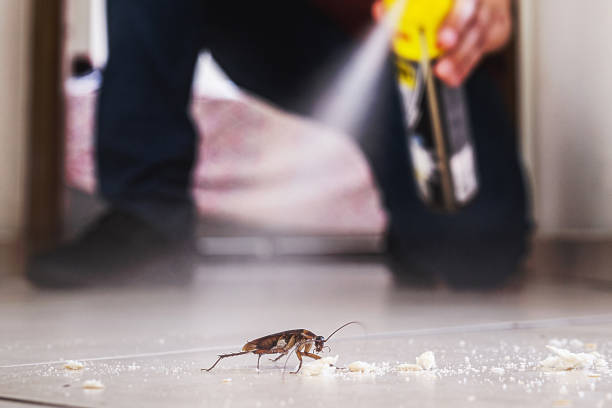
cockroach being killed indoors, aerosol poison spray, insect infestation, insect detection cockroach being killed indoors, aerosol poison spray, insect infestation, insect detection pest control stock pictures, royalty-free photos & images

One of the most critical steps in pest prevention is maintaining cleanliness in your home. Pests are attracted to food, water, and shelter, and poor sanitation creates an inviting environment for them.

  • Clean up food spills promptly.
  • Store food in airtight containers.
  • Regularly empty trash bins and use lids on garbage cans.
  • Deep clean appliances such as ovens and refrigerators to eliminate grease or crumbs.
  • Repair leaky faucets or pipes to reduce moisture levels.
  • Regularly clean drains using natural cleaners like baking soda and vinegar.
  • Vacuum carpets, rugs, and furniture regularly.
  • Declutter frequently to reduce hiding spots for pests.

2. Seal Entry Points

Pests often enter homes through small cracks or gaps in walls, windows, doors, or foundations. Inspect your home thoroughly for potential entry points and seal them properly.

Entry Point Prevention Tips
Doors & Windows Install weather stripping; repair screens.
Walls & Foundations Use caulk or sealant on cracks or gaps.
Roof & Chimney Repair damaged shingles; install chimney caps.

3. Address Moisture Issues

  • Using dehumidifiers in damp areas such as basements or crawl spaces.
  • Ensuring proper ventilation in bathrooms and kitchens.
  • Cleaning gutters regularly to prevent standing water near the foundation.

4. Implement Natural Pest Deterrents

  • Place peppermint oil-soaked cotton balls near entryways for rodents.
  • Sprinkle diatomaceous earth around baseboards to combat crawling insects like ants or cockroaches.
  • Grow pest-repelling plants such as lavender (moths), marigolds (mosquitoes), or basil (flies).

5. Be Mindful of Seasonal Changes

  • In spring: Focus on sealing entry points as insects emerge after winter dormancy.
  • In summer: Pay attention to outdoor areas where mosquitoes breed.
  • In fall: Prevent rodents from seeking warmth indoors by sealing gaps and storing firewood away from the house.
  • In winter: Inspect warm spaces like attics where pests might hide during cold weather.

6. Schedule Regular Inspections

Even with diligent efforts, some infestations may go unnoticed until they become severe. Hiring a professional pest control service can help identify potential issues early on through inspections and preventive treatments tailored to your home’s needs.

By combining these strategies with regular monitoring and maintenance, you can protect your home from unwanted pests year-round while maintaining a healthier living environment for you and your family.

How Professional Pest Control Services Can Protect Your Home

Maintaining a pest-free home is essential for ensuring a safe and healthy living environment. While DIY solutions may work for minor pest issues, professional pest control services offer comprehensive and long-term protection. Here’s how these services can safeguard your home effectively.

Identifying the Source of Infestations

  • Structural gaps: Cracks in foundation, walls, or windows that serve as entry points for pests.
  • Moisture issues: Leaky pipes or high humidity levels that attract pests like termites and cockroaches.
  • Food access points: Improperly stored food or trash that provides sustenance for rodents and insects.

By addressing these hidden sources, professionals prevent future infestations rather than merely treating surface-level problems.

Customized Treatment Plans

Factor Example Solutions
Type of pest Ants vs rodents require different approaches.
Severity of invasion Heavy infestations may need multiple treatments.
Property layout Larger homes might require zone-based strategies.

Unlike one-size-fits-all sprays or traps available at stores, professional plans use targeted methods to maximize results while minimizing risks.

Safe Use of Pesticides and Eco-Friendly Options

One major advantage of professional pest control services is their commitment to safety. Licensed technicians use EPA-approved products designed to eliminate pests effectively without harming humans, pets, or the environment. Many companies also offer eco-friendly treatment options using natural repellents and non-toxic solutions.

  • Reduced exposure to harmful chemicals.
  • Environmentally sustainable practices.
  • Peace of mind for families with children or pets.

Year-Round Protection with Preventative Measures

  1. Sealing entry points – Blocking cracks, gaps, and holes where pests could enter.
  2. Regular inspections – Scheduled visits to monitor potential risks.
  3. Education on best practices – Offering guidance on maintaining a clean and pest-resistant home environment.

This proactive approach ensures that potential infestations are stopped before they can start.

Expertise in Handling Dangerous Pests

  • Termites can compromise a building’s foundation if not professionally eradicated.
  • Rodents, such as rats, spread diseases like salmonella through droppings.
  • Bees and wasps may trigger allergic reactions when disturbed.

Professionals have the tools and expertise required to safely manage these threats while protecting both residents and the property itself.

Investing in professional pest control services offers peace of mind while ensuring a healthier living space for you and your family over time—making it an essential choice for maintaining your home’s integrity against unwanted intrusions from pests.

How Professional Pest Control Services Can Protect Your Home

Maintaining a pest-free home is crucial not just for comfort but also for protecting your property and health. While many homeowners rely on DIY solutions, professional pest control services offer a more comprehensive and effective approach. Here’s how these services can safeguard your home from harmful infestations.

Expertise and Knowledge

Professional pest control technicians are trained to identify and deal with various pests effectively. Their expertise allows them to:
– Recognize the early signs of an infestation, even those that might go unnoticed by an untrained eye.
– Understand the behavior, nesting patterns, and life cycles of pests to implement strategies that target them at their source.
– Use precise treatments tailored to specific pests, minimizing the risk of recurring problems.

Customized Treatment Plans

Every home is different, and so are its pest control needs. Professionals assess your property thoroughly before developing a customized plan that factors in:
– The type of pests present or likely to invade based on the region’s climate and environment.
– The size of your property, which affects treatment coverage.
– Any unique vulnerabilities in your home structure or habits that may attract pests.

Use of Safe and Effective Products

Over-the-counter pest control products can be ineffective or even hazardous if misused. Professional services:
– Use advanced solutions and formulations that are targeted yet safe for families, pets, and the environment when applied correctly.
– Follow strict handling protocols to ensure no residual hazards remain post-treatment.

DIY Pest Control Professional Pest Control Services
Limited efficacy High success rate with tailored solutions
Risk of misuse or overuse Safe application by trained experts
Temporary fixes Long-term prevention strategies

Preventative Measures

One key advantage of working with professionals is their focus on prevention as well as treatment. They can:
1. Seal entry points like gaps around doors, windows, or utility pipes.

2. Offer guidance on maintaining cleanliness to deter common household pests.

3. Schedule routine inspections to catch potential infestations before they escalate.

Protection Against Health Risks

Pests such as rodents, cockroaches, and termites aren’t merely nuisances; they can pose significant health risks by spreading diseases or causing allergic reactions. For example:
– Rodents contaminate food supplies with droppings that carry pathogens like Salmonella or Hantavirus.

– Cockroach allergens can trigger asthma attacks in sensitive individuals.

– Bed bugs cause itchy bites that may lead to secondary infections if scratched excessively.

Professionals mitigate these risks effectively by eradicating current infestations and ensuring future ones don’t arise.

Cost-Efficiency in the Long Term

While professional services may seem like a higher upfront investment compared to DIY methods, they save money over time by:
– Preventing extensive structural damage caused by termites or rodents chewing through woodwork.

– Reducing repeated spending on over-the-counter products that provide only temporary relief.

By relying on professionals who understand how best to protect your home from pests year-round using safe practices tailored specifically for your situation, you’re making an investment in both peace of mind today and preservation tomorrow.


Maximizing Efficiency with a Stuart FL Pest Control Company: Top Tips for Streamlining Operations

Fumigator sanitizing, cleaning and disinfection. Coronavirus pandemic professional control. Fumigator sanitizing, cleaning and disinfection. Coronavirus pandemic professional control. pest control stock pictures, royalty-free photos & images

Efficient pest control operations are crucial for maintaining a high-performing, customer-focused business. By streamlining workflows, leveraging technology, and optimizing resource allocation, pest control companies can enhance their productivity and deliver better results. Below are actionable tips to maximize efficiency in pest control operations.

1. Optimize Route Planning

Time wasted traveling between job sites can significantly reduce productivity. Proper route planning ensures technicians spend less time on the road and more time addressing customer needs:
Use GPS Route Optimization Tools: Software like Google Maps or specialized pest control software can provide the fastest and most efficient routes.
Schedule Jobs by Proximity: Group work orders geographically to minimize travel times.
Account for Traffic Patterns: Avoid scheduling jobs during peak traffic hours where possible.

2. Embrace Automation Tools

Automation can significantly reduce administrative burdens while improving accuracy and reliability in your day-to-day operations:
Scheduling Software: Tools like Jobber or Service Titan help with booking appointments, sending reminders, and rescheduling as needed without manual effort.
Digital Reporting: Replace paper forms with digital reporting systems to streamline documentation of inspections and treatments.
Inventory Management Solutions: Use inventory tracking software to monitor chemical supplies and equipment in real-time.

3. Foster Employee Training & Development

Proper training ensures technicians work efficiently while maintaining high service standards. Focus on the following areas for workforce development:
Technical Expertise: Regular training on pest biology, treatment techniques, and new products enhances technician proficiency.
Customer Communication Skills: Equip employees with strong communication skills to foster trust with clients during appointments.
Safety Practices: Ensure all team members are well-versed in safety protocols when handling chemicals or equipment.

4. Standardize Operating Procedures (SOPs)

Having clear guidelines for all processes helps reduce variability in service quality while improving efficiency across teams: | Process | Standardized Practice Example | |———|——————————-| | Initial Inspection | Use a checklist to ensure all key areas (e.g., kitchens, basements) are assessed systematically. | | Treatment Application | Define specific steps for applying pesticides based on infestation type and location size. | | Reporting | Adopt consistent templates for documenting findings, treatments, and follow-ups.|

5. Leverage Data Analytics

Tracking key performance indicators (KPIs) enables businesses to identify inefficiencies and improve overall effectiveness:

– Monitor technician productivity metrics such as number of jobs completed daily.

– Analyze customer feedback trends to identify recurring issues.

– Track chemical usage rates to optimize purchasing strategies.

6. Establish Preventative Maintenance Systems

Preventative maintenance reduces downtime caused by equipment failures or shortages:

– Regularly inspect vehicles used for service visits.

– Conduct routine checks on equipment such as sprayers or bait stations.

– Maintain an updated inventory list to avoid running out of critical supplies mid-operation.

By implementing these strategies into your pest control operations, not only will you save time but also deliver better outcomes for your customers while minimizing costs across the board.

Enhancing Stuart Pest Control Operations with Advanced Technology Solutions

Technology has significantly transformed the pest control industry, offering advanced solutions that enhance operational efficiency, accuracy, and customer satisfaction. By integrating technology into daily workflows, pest control businesses can streamline processes and deliver better results. Below are some key areas where technology can improve pest control operations.

Digital Tools for Scheduling & Route Optimization

Efficient scheduling and route planning are crucial in pest control operations. Utilizing software solutions for these tasks can drastically reduce time waste and fuel costs.

  • Scheduling Software: Automates the planning of technician visits based on availability, location, and urgency.
  • Route Optimization Tools: Create the most efficient routes for technicians to minimize travel time and expenses. Benefits include:
  • Reduced fuel consumption
  • Increased daily service capacity
  • Improved response times

Smart Pest Detection Devices

Advanced detection devices powered by IoT (Internet of Things) enable real-time monitoring of pest activity. These devices help in early identification of infestations, which leads to proactive treatment measures.

Some examples include:
Electronic Rodent Monitoring Systems:

Track rodent movements and notify technicians when traps are triggered or areas need servicing.

Infrared Cameras & Thermal Imaging: Detect hidden pests like termites or bedbugs in walls or tight spaces.

Smart Traps with Sensors: Record data on captured pests and send alerts when maintenance is required.

Data Analytics for Better Decision-Making

Metric Benefits
Pest activity trends Identify seasonal surges or high-risk zones
Treatment efficacy Evaluate which products or techniques yield the best results
Customer satisfaction metrics Improve service delivery by addressing recurring complaints

By leveraging this information, businesses can modify strategies to improve performance over time.

Mobile Applications for Field Technicians

  1. Access to service history for each client.
  2. On-the-go reporting capabilities with photo uploads.
  3. Integration with billing systems for faster invoicing.

These tools not only increase technician productivity but also enhance customer trust through transparent reporting.

Drones in Pest Control Operations

  • Aerial surveillance to locate nests or infestations.
  • Precision application of pesticides over specific areas.
  • Monitoring hard-to-reach locations such as rooftops or tall structures.

Benefits of Adopting Technology in Pest Control

  • Improved safety by reducing human exposure to hazardous chemicals during application processes.
  • Enhanced compliance with regulatory standards through accurate documentation of treatments performed.
  • Higher levels of customer satisfaction due to faster response times and transparent communication.

By embracing tools like smart devices, mobile apps, drones, and analytics platforms, pest control businesses not only stay competitive but also provide long-term value to their customers while optimizing internal resources effectively.

Enhancing Pest Control Operations with an Exterminator Stuart FL

In today’s rapidly evolving pest control industry, technology plays a vital role in optimizing operations, enhancing efficiency, and delivering superior customer experiences. By integrating advanced tools and solutions into daily workflows, pest control businesses can stay ahead of competitors while ensuring effective pest management. Below are key ways to leverage technology for improved operations.

Benefits of Using Technology in Pest Control

  • Increased Efficiency: Automating repetitive tasks reduces manual labor and saves time.
  • Data-Driven Insights: Advanced software enables real-time tracking of trends, allowing businesses to predict and address potential infestations more effectively.
  • Improved Customer Satisfaction: Technology facilitates seamless communication with customers and helps provide tailored services.
  • Cost Savings: Optimizing routes, resources, and workflows decreases operational costs while maximizing output.

Key Technological Tools for Pest Control Businesses

1. Field Service Management Software

This type of software is essential for managing day-to-day tasks such as scheduling appointments, dispatching technicians, and tracking service history. Some features offered by field service management platforms include:
– Real-time GPS tracking to optimize technician routes.
– Automated scheduling to minimize downtime between jobs.
– Digital work orders for faster documentation and recordkeeping.

2. IoT (Internet of Things) Devices

Pest Control Exterminator Services Spraying Insecticide Pest Control Exterminator Services Spraying Termite Insecticide pest control stock pictures, royalty-free photos & images

IoT-enabled traps and sensors provide continuous monitoring of specific areas for pests such as rodents or termites.

These devices often include features like:

–  Alerts sent directly to mobile apps when pests are detected.

– Data collection on infestation trends over time.

– Remote monitoring capabilities that reduce the need for multiple site visits.

3. Mobile Applications

Mobile apps specifically designed for pest control professionals help streamline communication between field teams and office staff while offering convenient tools such as:
– Instant updates on job status or client requests.

– Access to product catalogs or treatment guides on the go.

– Digital invoicing options to simplify payment processes.

4. Drones & Imaging Technologies

Drones equipped with cameras can help survey large commercial properties or hard-to-reach outdoor spaces quickly and safely. They are particularly useful in inspecting rooftops or agricultural sites where infestations may be hidden from view.

Technology Solution Key Benefits Ideal Use Cases
Field Service Software Optimized scheduling & route planning Day-to-day operational management
IoT Devices Continuous monitoring & data-driven insights Detecting recurring infestations
Mobile Applications Enhanced field-team communication Real-time updates during service calls
Drones Safe surveillance of large areas Inspections at scale (e.g., farms or warehouses)

Tips for Successful Implementation

When adopting technology solutions in your business, keep these strategies in mind:

1. Choose user-friendly tools that require minimal training.

2. Start small by piloting new systems before scaling them across all operations.

3. Establish clear goals for what you hope to achieve using each tool (e.g., reducing response times or improving documentation accuracy). 4. Regularly evaluate your tech stack’s performance against KPIs to ensure continued effectiveness.

By integrating these technologies into your pest control business model thoughtfully, you can unlock new levels of efficiency while maintaining high-quality services for your customers—a true win-win scenario for modern pest management professionals.

Effective Customer Relationship Management Strategies for Pest Control Businesses

Customer relationship management (CRM) is a critical aspect of running a successful pest control business. By fostering strong relationships with your clients, you can build loyalty, improve service quality, and ensure long-term profitability. Below are effective strategies to enhance your CRM efforts in pest control operations.

Understand Your Customer Base

A detailed understanding of your customer base allows you to tailor your services to meet their specific needs. Segment your customers by factors such as:
Type of property: Residential, commercial, or industrial.
Frequency of service needs: One-time treatments vs. ongoing contracts.
Common pest issues: Ant infestations, termite control, rodent problems, etc.

By categorizing customers into segments, you can create personalized service plans that show clients you understand their unique needs.

Use CRM Software for Streamlined Communication

Investing in effective CRM software can help organize customer information and communication. Key features to look for include:
– Centralized databases to store client contact information and service history.
– Automated reminders for follow-up visits or contract renewals.
– Reporting tools which highlight trends in customer behavior and preferences.

Popular options like Salesforce or industry-specific software can help pest control businesses stay organized while improving responsiveness to customers.

Offer Flexible Scheduling Options

Customers often choose pest control services based on convenience as much as expertise. Implement scheduling practices that prioritize flexibility by offering:
– Weekend or after-hours services for busy clients.
– Online booking platforms where customers can select their preferred time slots.
– Reminders via SMS or email to reduce missed appointments.

These small adjustments demonstrate a commitment to accommodating client schedules while enhancing overall satisfaction.

Develop a Proactive Communication Strategy

  1. Send follow-up messages after completing services to ensure the issue has been resolved satisfactorily and collect feedback.
  2. Provide educational blog posts, newsletters, or emails about seasonal pest risks and prevention tips.
  3. Inform clients about new services or promotions that may benefit them based on their previous pest issues.

Communicating regularly not only shows professionalism but also keeps your business top-of-mind when future needs arise.

Train Employees in Customer Service Excellence

  • Polite and professional interactions at every stage of the visit.
  • Explaining treatment plans clearly so customers understand the process.
  • Following up if additional visits are needed or questions arise post-service.

A well-trained team significantly enhances customer satisfaction and builds trust over time.

Monitor Customer Feedback Regularly

Feedback Channel Benefits Example Tools/Methods
Online Reviews Publicly showcase positive experiences Google Reviews; Yelp
Surveys Gather detailed insights on performance SurveyMonkey; Typeform
Social Media Comments Real-time interaction opportunities Facebook; Instagram

Acting on constructive criticism demonstrates a commitment to continuously refining services according to client expectations.

Final Thoughts

Implementing effective customer relationship management strategies can significantly boost the reputation and efficiency of a pest control business while fostering long-term loyalty among clients. By using modern tools like CRM software combined with proactive engagement practices such as regular communication, flexible scheduling options—and prioritizing excellent service delivery at every touchpoint—companies position themselves as trusted experts in this highly competitive industry space.

Why Regular Pest Inspections Are Essential for Preventing Infestations

Pest infestations can cause significant damage to properties, pose health risks, and lead to costly repairs if not addressed promptly. Regular pest inspections play a critical role in identifying potential issues before they become full-blown infestations. Below, we outline why regular inspections should be a core component of any pest control strategy.

Early Detection of Problems

Routine inspections allow pest control professionals to detect early signs of an infestation. This can include spotting droppings, damaged wood, or nesting materials. Early detection benefits include:
– Preventing pests from reproducing and spreading.
– Identifying structural vulnerabilities that could attract pests.
– Minimizing the need for extensive chemical treatments or repairs.

Cost Savings from Prevention

Proactive pest inspections are more cost-effective than reactive measures to combat large-scale infestations. The costs associated with property damage caused by termites, rodents, or other pests often far outweigh the expenses of routine checkups. Investing in consistent inspections can help businesses and homeowners save money over time.

Inspection Frequency Recommended For
Monthly Food establishments, warehouses
Quarterly Residential properties
Bi-Annual Offices or low-risk spaces

Protecting Health and Safety

Many pests carry harmful bacteria or diseases that can pose health risks to humans and pets. For example:
– Rodents can spread salmonella or hantavirus through their waste.
– Cockroaches are known allergens that trigger asthma attacks in sensitive individuals.
– Mosquitoes carry diseases such as West Nile Virus and dengue fever.

Regular inspections ensure these health hazards are identified and addressed quickly.

Preserving Structural Integrity

Termites, carpenter ants, and other wood-destroying insects threaten the stability of buildings over time by feeding on structural components like beams or foundations. Inspections provide an opportunity to:
– Identify wood damage early on.
– Assess areas prone to moisture build-up (which attract many pests).

Compliance with Regulations

Businesses in industries like hospitality or food service must adhere to strict sanitation standards when it comes to pest control. Regular inspections help ensure compliance with local health codes while maintaining a clean environment for customers and employees alike.

Tips for Scheduling Regular Inspections

To maximize the effectiveness of regular pest inspections:
1. Partner with licensed pest control professionals who have expertise in your area’s specific pest challenges.

2. Schedule inspections during seasonal times when certain pests are more active (e.g., spring for ants or rodents seeking shelter during colder months).

3. Keep records of inspection reports to track progress over time.

By making routine pest inspections a priority, both residential property owners and businesses can prevent costly infestations while maintaining healthier environments year-round.